What Actually Drives Home Remodeling Costs in North Texas
Homeowners often ask us for ballpark pricing over the phone. "How much does a kitchen remodel cost?" or "What should I budget for a bathroom renovation?" The honest answer is that square footage alone tells us very little about your actual costs.
Here's what really determines what you'll pay for residential remodeling work in the Dallas-Fort Worth area.
Your Home's Age and Construction Method
Home built before 1980
Expect complications. Electrical systems need upgrading. Plumbing uses materials we can't match anymore. Wall framing sits on 24-inch centers instead of modern 16-inch spacing. Insulation is minimal or non-existent.
These older homes require more structural work than newer construction. When we open walls for a kitchen remodel, we often find undersized wiring, outdated plumbing, or framing that needs reinforcement. Each discovery adds to your cost.
1980s-1990s homes
Better than older construction but still problematic. Electrical panels often lack capacity for modern appliances. HVAC systems need replacing. Materials were builder-grade and showing age.
Remodeling these homes means upgrading systems to current standards. Your new kitchen needs 20-amp circuits for appliances. Your bathroom addition requires proper ventilation that the original house lacks. These upgrades add cost but prevent problems later.
2000s-present
Fewer surprises. Modern homes meet current building codes. Systems have adequate capacity. Materials are familiar and easier to source.
Remodeling newer homes costs less because we're working with known conditions. We still find issues, but they're less frequent and less expensive to address.
The Real Cost of "Just Matching What's There"
"We just want to match the existing finishes" sounds simple. In practice, it's often the most expensive option.
Discontinued materials
That tile from 2005? The manufacturer stopped making it eight years ago. Matching it means custom orders, special fabrication, or settling for "close enough." Custom work costs significantly more than using current products.
Older trim profiles
Crown molding and baseboards change over time. Matching 20-year-old trim means custom milling. We can do it, but it takes time and increases your budget.
Paint colors
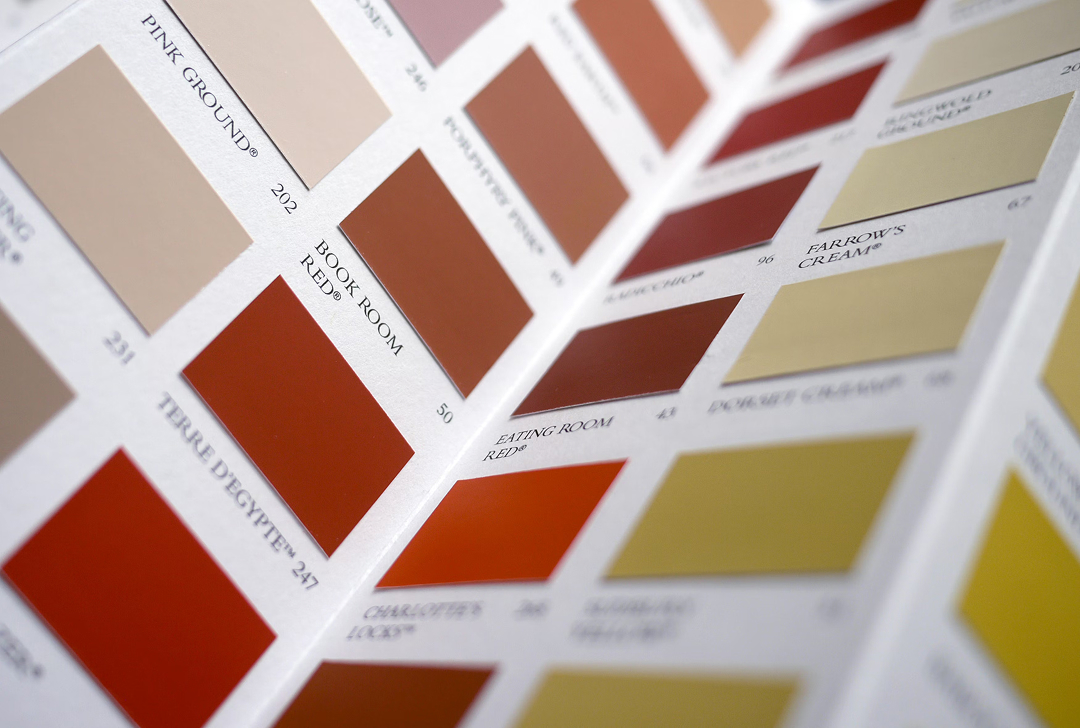
Even if you know the exact color name, paint formulations change. Matching existing paint perfectly often requires custom color matching and multiple test samples.
Sometimes choosing new finishes throughout the affected areas costs less than trying to match old materials exactly.
Structural Surprises in North Texas Homes
Foundation issues
North Texas sits on expansive clay soil. Homes shift and settle constantly. When we open walls for remodeling work, we sometimes find cracks, separations, or structural movement that needs addressing before we can proceed with cosmetic work.
Foundation repairs aren't cheap, and they're not something you can skip. A cosmetic remodel over structural problems just hides issues temporarily.
Roof concerns
Adding a second story or expanding your home's footprint means tying into your existing roof structure. If your roof is 15+ years old and nearing replacement anyway, it makes sense to reroof before or during your addition. This adds cost but prevents problems when you're trying to integrate new construction with an aging roof system.
Plumbing routing
North Texas homes often have plumbing running through concrete slab foundations. Moving a bathroom or kitchen sometimes means abandoning existing lines in the slab and rerouting through walls or attic spaces. This adds complexity and cost compared to homes with accessible crawl spaces.
Permit and Code Compliance Costs
Every DFW municipality has different requirements. What Dallas requires differs from what Fort Worth, Plano, or Sherman demands. These differences impact your remodeling costs.
Structural calculations
Some cities require engineered drawings for relatively minor changes. Others accept standard construction plans. Engineering fees range from $500 to $3,000 depending on project scope.
Energy code compliance
Adding square footage to your home triggers energy code reviews. You might need additional insulation, upgraded windows, or improved HVAC efficiency to meet current standards. These requirements didn't exist when your home was originally built.
Fire safety upgrades
Remodeling triggers requirements for smoke detectors, carbon monoxide detectors, and sometimes fire sprinklers depending on project scope and location. These weren't required in older homes but are mandatory for remodeling work today.

Access and Site Conditions
Tight spaces
Can equipment reach your backyard for the addition? Do we need to remove fence sections? Is there room for material deliveries and staging?
Projects requiring hand-carrying materials or using smaller equipment cost more than jobs with easy equipment access. Labor hours increase when crews can't use standard tools and methods.
Occupied homes
Remodeling while you live in the house costs more than working in a vacant property. We need to protect your belongings, minimize dust, maintain access to bathrooms, and work around your schedule. These accommodations add time and cost.
Landscaping preservation
Saving mature trees, protecting established gardens, or working around hardscaping adds complexity. We can preserve your landscaping, but it requires careful planning and additional labor.
What This Means for Your Budget
Two seemingly identical projects can cost vastly different amounts because of these hidden factors. A 200-square-foot kitchen remodel in a 1970s home with outdated electrical, concrete slab plumbing, and discontinued finishes costs more than the same size kitchen in a 2010 home with accessible systems and current materials.
Your general contractor should:
- Walk through your home before quoting. Phone estimates without seeing your actual conditions are guesses at best.
- Explain what they find. Good contractors point out potential issues during initial visits and discuss how they'll impact your budget.
- Provide detailed breakdowns. You should understand where your money goes and why certain items cost what they do.
- Build contingency into quotes. Residential remodeling always includes surprises. A 10-15% contingency budget prevents panic when we discover issues behind walls.
Getting Accurate Estimates
If you're planning a home remodel in Dallas, Fort Worth, or surrounding areas, expect your contractor to ask detailed questions about your home's age, condition, and specific goals. These questions help us provide realistic budgets that account for the factors that actually drive costs.
Vague quotes based only on square footage miss too many variables. Detailed estimates that consider your home's specific conditions give you budgets you can actually rely on.