When to Schedule Your Home Addition in North Texas
After 30 years building residential additions across North Texas, we've learned that timing your project around our weather patterns makes a significant difference in how smoothly construction proceeds.
The North Texas Construction Calendar
Spring (March-May): Peak Season
Spring is our busiest time for home additions, and for good reason. Temperatures stay comfortable for outdoor work. Rain happens, but it's manageable. Concrete cures properly. Your crew can work full days without extreme heat slowdowns.
The downside? Everyone wants to build in spring. General contractors' schedules fill up by January. Material suppliers get backlogged. If you're planning a spring start, book your contractor in late fall or early winter.
Summer (June-August): Hot but Productive
North Texas summers hit hard. We've framed additions in 105-degree heat, and it's not pleasant for the crew. But summer weather is predictable. You get long days, minimal rain delays, and consistent working conditions.
Concrete work happens early morning before temperatures spike. Roofing starts at sunrise. Interior work continues through the afternoon heat. If your contractor manages the schedule properly, summer projects stay on track despite the temperature.
One advantage: contractor availability improves by mid-June. Spring rush ends, and you can often start projects faster than you would in March or April.
Fall (September-November): Ideal Conditions
Fall might be the best time to build in North Texas. Temperatures drop into the comfortable range. Rain stays minimal. Crews work efficiently without heat stress.
We schedule complex projects for fall when possible. Second-story additions, large kitchen expansions, and whole-home remodels benefit from consistent weather and comfortable working conditions.
Book early. Fall slots fill up as contractors finish summer projects and line up work before winter.
Winter (December-February): The Wild Card
Winter in DFW can be unpredictable. Some years we get weeks of 60-degree sunshine. Other years bring ice storms that shut down construction for days.
We can frame additions in winter. Interior work continues regardless of outdoor temperature. But you need flexibility in your timeline. A polar blast can delay your project by a week or more if it hits at the wrong time.
Material considerations matter in winter. Concrete won't cure properly below freezing. Exterior paint needs specific temperature ranges. Roofing shingles get brittle in extreme cold.
The upside? Contractors often have more availability in January and February. If you're flexible on timeline and can tolerate weather delays, winter projects sometimes start faster and cost less than peak season work.
Weather-Specific Considerations for DFW
Foundation work
Schedule during dry periods. North Texas clay soil moves significantly when saturated. We avoid pouring foundation slabs during extended wet periods. Late summer through fall typically offers the most stable soil conditions.
Roofing
Spring and fall are ideal. Summer heat makes shingles too soft for proper installation. Winter cold makes them brittle. We can roof in summer or winter when necessary, but conditions aren't optimal.
Exterior finishes
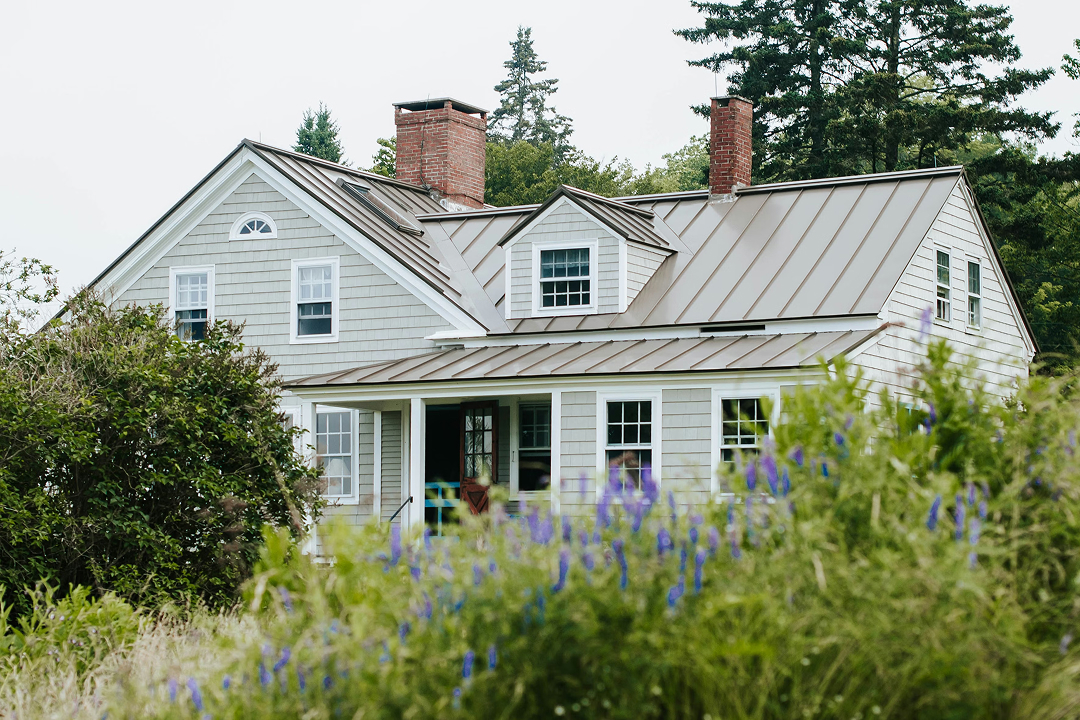
Stucco, brick, and siding work best in moderate temperatures. The 70-85 degree range gives materials time to cure properly without temperature stress. Late spring and early fall hit this sweet spot.
HVAC considerations
If your addition requires HVAC modifications, schedule the work during shoulder seasons. You don't want to be without air conditioning during a July heat wave while we upgrade your system.
How Weather Affects Your Timeline
A typical 400-square-foot room addition takes 8-12 weeks from permit to completion under normal conditions. Here's how weather impacts that timeline:
Spring/Fall
Expect the 8-12 week range. Weather delays are minimal. One or two rain days might push your schedule by a few days, but nothing significant.
Summer
Plan for the same 8-12 weeks, but understand that extreme heat slows outdoor work. Your crew will start earlier and take more breaks. The timeline stays similar, but daily productivity varies.
Winter
Add 2-3 weeks of buffer time. You'll likely hit a weather delay at some point. Ice, heavy rain, or freezing temperatures will pause outdoor work for days at a time.
Plan Around Your Schedule
The best time to build your home addition depends on your specific situation:
Need it done by a specific date? Start in spring or fall with enough buffer time for minor delays. Avoid winter if you have a hard deadline.
Flexible timeline? Winter or summer scheduling might save you money and get you started faster. Just accept that weather will impact the day-to-day schedule.
Concerned about living in a construction zone? Fall projects finish before the holidays. Spring projects complete before summer heat arrives.